Unpaid invoices are one of the quietest threats to a growing business. They don't show up as a dramatic loss on the income statement — they just sit there, month after month, tying up cash you could be using for payroll, inventory, or the next hire. According to industry surveys, small businesses routinely carry tens of thousands of dollars in overdue receivables at any given time, and the average invoice takes weeks longer to collect than the terms on which it was issued.
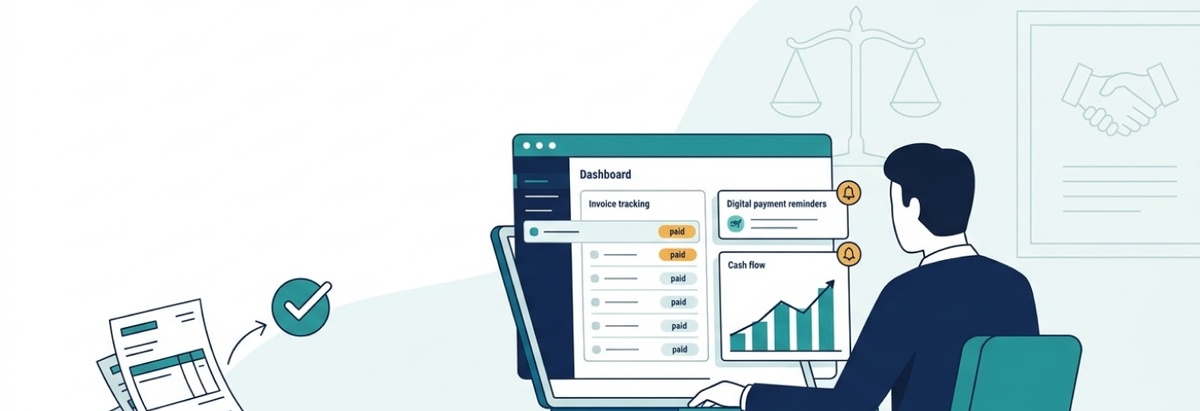
The good news is that chasing payments no longer has to mean awkward phone calls and spreadsheets full of "follow up again" reminders. A new generation of debt collection apps automates the reminders, flags at-risk accounts before they go dark, and — when a customer stops responding altogether — connects you with the legal muscle to actually recover the money. Below, we break down the best apps for managing debt collection in 2026 and who each one is built for.
What to Look for in a Debt Collection App
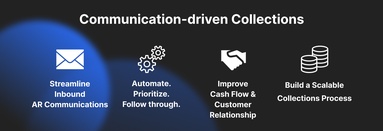
Before comparing tools, it helps to know what actually matters for a small business. The right platform should automate the repetitive parts of collections — reminder emails, SMS nudges, payment tracking — without requiring a full-time AR specialist to run it. Pricing should scale with your invoice volume rather than locking you into a flat enterprise fee, and the tool should integrate cleanly with the accounting software you already use, whether that's QuickBooks, Xero, or NetSuite. Finally, look for a clear path for what happens when automation isn't enough and an account needs real legal leverage to get resolved.
It's also worth thinking about who these tools are really for. Entrepreneurs running lean teams need something that requires almost no setup and works out of the box. Finance managers at larger enterprises, on the other hand, may be more interested in configurability, dispute tracking, and integration with an existing ERP. Most of the platforms below serve one end of that spectrum better than the other, so match the tool to the size and complexity of your receivables, not just the price tag.
With that framework in mind, here are the standout options.
1. QuickBooks Online
For many small business owners, accounts receivable management starts with the accounting platform they're already using. QuickBooks Online includes built-in AR tracking, automated payment reminders, and aging reports that show exactly how overdue each invoice is. It won't offer the sophisticated dunning sequences of a dedicated collections tool, but if you want collections functionality bundled with your bookkeeping, invoicing, and tax prep, it's a practical starting point — plans start around $38 per month.
2. Melio
Melio is built for small businesses that want to simplify billing and collections without a steep learning curve. It lets you create and send invoices, accept multiple payment methods, and track who has and hasn't paid, all from one dashboard. Because pricing ranges from free to roughly $80 a month depending on features, it's a low-risk option for businesses testing out AR automation for the first time.
3. Chaser
Chaser is purpose-built for one job: getting invoices paid faster without damaging customer relationships. It automates reminder emails and calls across multiple channels, personalizes the tone based on customer history, and gives you cash flow forecasting so you can see the impact of overdue accounts before they hit your bank balance. Businesses using Chaser report getting paid weeks sooner on average and reclaiming significant staff time that used to go into manual follow-up.
4. Upflow
Upflow positions itself as an all-in-one AR platform, combining collections automation, payment processing, and customer relationship data in a single tool. Its standout feature is workflow automation: you can build logic-based reminder sequences that adjust based on customer behavior, account size, or payment history, rather than sending the same generic nudge to every client. For B2B companies juggling a growing customer base, that flexibility is worth the investment.
5. Gaviti
Gaviti is designed for small and mid-sized B2B businesses that deal with frequent invoice disputes. Alongside automated dunning sequences, it includes dedicated dispute-tracking functionality, which is useful if your overdue invoices often stem from billing disagreements rather than simple non-payment. It also plugs into most major accounting and ERP systems, so it fits into an existing finance stack rather than replacing it.
6. Kolleno
Kolleno leans on AI to prioritize collections work, flagging high-risk accounts early and recommending which customers to contact first based on payment behavior. It also supports personalized payment plans, which can be a useful middle ground between a full write-off and an aggressive collections push. For owners who want the software to do the strategic thinking, not just send reminders, Kolleno is worth a look.
7. Collect!
Collect! has been used in the collections industry for more than three decades and is one of the most configurable platforms on this list. It was built primarily for collection agencies, but small businesses with more complex receivables — medical practices, property managers, and financial services firms — sometimes adopt it directly for its depth of features, including detailed case management and compliance tracking.
8. Catchpole
Catchpole is aimed squarely at small businesses that want multi-channel outreach — email, SMS, phone, and direct mail — without committing to a monthly subscription. Its pay-as-you-go pricing model, with no per-seat fees, makes it approachable for businesses that only need to chase a handful of overdue accounts at a time rather than run collections at scale.
9. Retrievables
Every app above is built to automate the first 60 to 90 days of collections — reminders, follow-ups, visibility into who's behind on payments. But every business owner eventually runs into accounts that don't respond to a friendlier email or a second phone call. Maybe the customer has gone quiet entirely, disputes the debt, or owes an amount large enough that pursuing it seriously requires legal leverage. That's the gap Retrievables is built to close.
Retrievables is a commercial debt collection marketplace, meaning it focuses specifically on business-to-business receivables — not consumer debt — matching your case to a collections attorney or agency instead of another round of automated reminders. The matching is based on the debtor's location, the size of the debt, your industry, and the documentation you have on hand. You create a free account, upload your invoice and supporting records, and the network reviews the case to determine fit; matches typically happen within one business day, so you're not stuck waiting weeks while the debt keeps aging.
There's no upfront cost to submit a case. Attorneys in the Retrievables network work on a contingency basis, taking a percentage of what's actually recovered, so their incentives are aligned with getting you paid rather than running up billable hours. And because they can use legal leverage — demand letters with real teeth, and if necessary, court action — that a reminder-based app simply can't replicate, they're often the more effective option once a customer has stopped responding to automated outreach. For larger enterprises managing a high volume of accounts, Retrievables also offers a way to route the hardest cases to specialists without treating every escalation as a one-off research project.
Building a Layered Collections Strategy
In practice, the most effective approach combines multiple tools from this list rather than relying on a single one. Use an app like QuickBooks, Melio, Chaser, Upflow, Gaviti, or Kolleno to manage the everyday flow of invoices and catch slow payers early, and lean on something like Collect! or Catchpole if your receivables are especially complex or high-volume. Then, when an account crosses the line from "late" to "not responding," bring in a collections professional through Retrievables rather than absorbing the loss or spending your own time chasing a debtor who's already tuned you out.
Final Thoughts
Managing debt collection well isn't about picking a single tool and calling it done — it's about having the right layer of support for each stage of the process. Automated AR software keeps your day-to-day cash flow moving and catches problems before they escalate. But when an account needs real legal muscle, having a trusted partner who can connect you with the right attorney or agency, quickly and without upfront risk, is what separates businesses that recover their money from those that write it off.
If you're currently sitting on unpaid invoices that outreach and automation haven't resolved, submit your case to Retrievables and get matched with a collections attorney who fits your industry and situation — often within a single business day.