The Purpose and Importance of Dunning Letters Dunning letters serve a purpose beyond mere reminders for payment; they are an integral part of financial oversight and client relations. Their...
February 27th 2024 Author: Brendan Gilbert


Updated January 16th 2026

For entrepreneurs, finance leaders, and managers of large enterprises, unpaid invoices are more than a nuisance — they directly affect cash flow, forecasting, and growth. While internal accounts receivable teams can handle early-stage follow-ups, there often comes a point where professional debt collection support is required.
This is where debt collection marketplaces have become increasingly attractive. Unlike traditional agencies that may require retainers or setup costs, many modern platforms promote no upfront fees, operating instead on a success-based model.
This article explains what “no upfront fees” really means, what kinds of debt collection marketplaces offer it, what to watch out for, and how Retrievables helps businesses recover commercial debt efficiently without paying anything upfront.
“No upfront fees” typically means a business does not pay anything at the start of the engagement. Instead, the collection provider earns a fee only if they successfully recover funds from the debtor.
For businesses, the appeal is simple: reduced risk and aligned incentives. The collector gets paid when you get paid.
Traditional debt collection often requires selecting a single agency or law firm upfront and, in some cases, paying retainers or onboarding costs. Marketplaces change this dynamic by giving businesses a streamlined way to evaluate and match with the right collection partner — often without paying anything at the start.
For enterprises managing volume and complexity (multiple jurisdictions, large ticket invoices, repeat debtor patterns), marketplaces can be a more scalable model than one-off vendor selection.
Rather than focusing only on marketplace brand names, it’s often more useful to understand the categories of marketplaces that typically support no-upfront-fee structures — and what each is best for.
These platforms specialize in B2B and commercial debt, including unpaid invoices, breach-of-contract claims, and inter-company receivables.
Some marketplaces focus on connecting businesses directly with collection attorneys, especially when litigation may be required or when the debtor is in a different jurisdiction.
Hybrid platforms combine collections agencies with law firms, enabling a smooth escalation path without switching providers or rebuilding the case file from scratch.
This is particularly attractive to enterprises that care about consistency, compliance, and operational efficiency.
“No upfront fees” doesn’t automatically mean “low cost” or “best fit.” It means the pricing is deferred and conditional. Decision-makers should still evaluate the fine print and the operating model.
The best marketplaces are clear about what’s included, what’s excluded, and how progress will be communicated.
Retrievables is a modern debt collection marketplace focused on commercial debt. It helps businesses find the most suitable collection attorney or agency for each case — while keeping the engagement efficient, transparent, and performance-based.
Retrievables supports success-based recovery models, meaning businesses can start the process without paying upfront. This reduces friction for teams that need action now but don’t want to allocate budget before results.
Retrievables is built for B2B collection scenarios, including unpaid invoices and commercial claims. That focus helps ensure the recovery approach aligns with business realities — contracts, purchase orders, delivery confirmation, and ongoing relationships.
Instead of forcing businesses into a one-size-fits-all vendor choice, Retrievables helps match each case with an agency or attorney that fits the situation — industry, claim size, debtor location, and escalation requirements.
This targeted matching improves the odds of recovery and reduces wasted cycles.
For larger organizations, Retrievables supports a structured workflow that reduces internal operational burden. Finance and legal teams can rely on clearer tracking, communication, and case-level visibility without needing to manage multiple disconnected vendors.
Enterprises often deal with volume: dozens, hundreds, or thousands of overdue accounts across products, regions, and customer segments. Paying retainers per case quickly becomes impractical.
In short: marketplaces turn collections from ad-hoc vendor management into a more systematic process.
1. Are no-upfront-fee debt collection marketplaces legitimate?
Yes. Many reputable marketplaces operate on contingency or success-based models — particularly in commercial debt collection — because the claims are often well-documented and higher value.
2. Do no upfront fees mean higher costs later?
Not always. Contingency fees can be higher than flat-fee models, but you’re also avoiding paying anything when recovery fails. The risk transfer can make the total expected cost more efficient.
3. Can enterprises use marketplaces effectively?
Yes. Marketplaces can be especially useful for enterprises because they reduce vendor sprawl, enable standardized workflows, and offer access to specialized providers per jurisdiction and claim type.
4. Is legal action included in no-upfront-fee models?
Often, marketplaces can route cases to attorneys when escalation is appropriate. However, court fees and certain legal costs may be separate depending on the jurisdiction and case structure.
5. Are international debts eligible for no upfront fee collection?
In many cases, yes — if the marketplace supports the relevant country/jurisdiction via partner agencies or attorneys. Eligibility depends on documentation and local enforceability.
6. How long does the collection process take?
Timelines vary by debtor responsiveness, claim size, and jurisdiction. Strong documentation and clear communication typically speed up outcomes. Marketplaces should provide status updates throughout.
Debt collection marketplaces that offer no upfront fees provide a practical alternative to traditional collection models. For entrepreneurs and enterprise leaders, they reduce financial risk, improve recovery options, and simplify the path to choosing the right collection partner.
Retrievables supports commercial debt recovery by helping businesses find the most suitable collection attorney or agency for each case — without requiring upfront fees — so teams can pursue overdue invoices efficiently and with clearer visibility.
When evaluating any marketplace, prioritize transparency, specialization, compliance, and reporting. “No upfront fees” is a great start — but the right operational model is what turns it into a real advantage.
Updated January 16th 2026
Author: Jeremy Crane
Register on the platform and enter information about past due accounts
The Purpose and Importance of Dunning Letters Dunning letters serve a purpose beyond mere reminders for payment; they are an integral part of financial oversight and client relations. Their...
February 27th 2024 Author: Brendan Gilbert
What are the most effective marketplaces for debt collection services
In today’s fast-moving environment, entrepreneurs, business owners, and enterprise-level managers need efficient ways to recover outstanding payments without wasting time, money, or internal resources. That reality has led to...
December 11th 2025 Author: Jeremy Crane

Introduction to Debt Recovery Specialists
Introduction Imagine running a successful business, only to find your cash flow disrupted by unpaid debts that threaten your financial stability. Debt recovery specialists come into play as the...
March 25th 2025 Author: Brendan Gilbert

Beyond Phone Calls: Building Omnichannel Debt Recovery Strategies for 2026
For many years, business debt recovery followed a familiar pattern: overdue invoice, reminder email, phone call, escalation. While this linear approach once worked, it no longer reflects how businesses...
January 23rd 2026 Author: Jeremy Crane

Transport Companies Commercial Collections
Understanding Commercial Collections Commercial collections refers to the process of pursuing outstanding invoices from other businesses. Unlike consumer collections, which deal with individuals, commercial collections often involve larger sums...
April 9th 2024 Author: Brendan Gilbert

For businesses, timely payments are the lifeblood of financial stability, yet unpaid invoices remain a persistent challenge. Debt collection services offer a professional solution, enabling companies to recover funds...
April 11th 2025 Author: Brendan Gilbert

Hyper-Personalization in B2B Collections: Tailoring Payment Plans With AI and Big Data
Late payments are not new in B2B commerce, but the way businesses respond to them is changing rapidly. As transactions grow larger, supply chains become more global, and customer...
January 31st 2026 Author: Jeremy Crane

The Hidden Perils of Phantom Debt Every Business Owner Should Know
How to Identify Phantom Debt Identifying phantom debt can be challenging, but recognizing the warning signs can help you stay vigilant. One clear indicator is receiving debt collection calls...
July 19th 2024 Author: Brendan Gilbert

Is It Worth Getting a Lawyer for Debt Collection?
Unpaid invoices are still much more than just a financial burden—they can also disrupt operations, put a strain on cash flow, and damage client relationships. For business owners, entrepreneurs...
August 14th 2025 Author: Brendan Gilbert

Empathy Over Aggression: The Rise of Ethical Collections and Consumer‑Centric Engagement
There was a time when strength in collections meant volume, pressure, and persistence. The louder the demand, the stronger the stance. That mindset shaped decades of recovery practices across...
February 12th 2026 Author: Jeremy Crane

What is the Smallest Debt a Collection Agency Can Chase
Business Debts The threshold for engaging a collection agency can depend on the type of business and the debt amount. For instance, a supplier may be owed $500 for...
July 24th 2024 Author: Brendan Gilbert

Top 15 Debt Collection Platforms in 2025 – Buyer’s Guide
Debt collection has become cloud-first, analytics-heavy, and human-centered. Platforms now combine configurable workflows with machine-learning decisioning, omnichannel engagement, and embedded payments. Buyers expect end-to-end orchestration—from early delinquency to recoveries—with...
August 25th 2025 Author: Brendan Gilbert

Why Early Intervention Matters: Tackling Aging Receivables Before They Become Write-Offs
Revenue feels real when the deal closes. It feels less real when the invoice is issued. And it becomes very real when payment doesn’t arrive. For business leaders, unpaid...
February 19th 2026 Author: Jeremy Crane

How to Chase a Debtor When They Have No Current Address
Start with Digital Communication One of the easiest ways to start the search for a debtor is by utilizing digital means. In today’s connected world, almost everyone has an...
August 27th 2024 Author: Brendan Gilbert

Accounts Receivable Management and Debt Collection: A Complete Guide for Businesses
Imagine closing a million-dollar deal—only to realize six months later that half the payment is still “in process.” On paper, the sale looks impressive. In reality, the company is...
October 2nd 2025 Author: Jeremy Crane

How Long Can Debt Collectors Try to Collect in California
Late payments are one of the most persistent challenges in business finance. Even well-run companies with strong customer relationships eventually face overdue invoices or unpaid contracts. When that happens...
March 14th 2026 Author: Jeremy Crane

Understanding Debt Collector Attorney Fees: What You Need to Know
Do I Need a Lawyer for Debt Collection? Whether you've already decided to send a customer to collections or are simply exploring options to recover unpaid invoices, begin with...
September 19th 2024 Author: Jeremy Crane

How to Calculate the ROI of Outsourcing Collections
Late payments may seem like a small nuisance at first, but over time they quietly erode cash flow, strain operations, and distract teams from growth. Many business leaders recognize the...
October 16th 2025 Author: Jeremy Crane

How does the legal collections process work?
When individuals or businesses are unable to repay their debts, creditors often resort to legal collections as a method of recovering the money owed to them. The legal collections procedure...
September 28th 2023 Author: Brendan Gilbert

Industry‑specific collections: why niche expertise matters in 2026
In 2026, the debt collection landscape is changing rapidly. Businesses operate in complex, specialized industries with unique billing structures, legal frameworks, and customer relationships. As a result, generalized debt...
March 19th 2026 Author: Jeremy Crane


How to Negotiate Payment Plans with Debtors
Late payments are an unavoidable reality in business. Even well-intentioned clients sometimes hit financial turbulence, leaving unpaid invoices that disrupt your cash flow and strain relationships. For growing companies...
October 24th 2025 Author: Jeremy Crane

Debt collection is a crucial part of any business. As such, it's essential to keep track of your debt collection KPIs. They can help you monitor your financial situation...
October 5th 2023 Author: Jeremy Crane

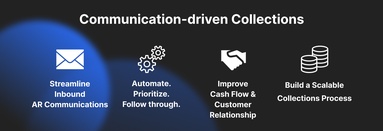
Communication‑driven collections: fixing the finance inbox bottleneck
Modern accounts receivable (AR) teams are facing a challenge that rarely appears on balance sheets but affects cash flow every day: the finance inbox bottleneck AR problem. As businesses...
May 18th 2026 Author: Jeremy Crane
Florida Debt Collection Lawyer: Streamline Your Collections Process
What is a Florida Debt Collection Lawyer? A Florida collections attorney specializes in helping businesses recover unpaid debts through legal means. While many businesses attempt to resolve payment issues...
October 15th 2024 Author: Brendan Gilbert

How to Train Your Internal Team to Handle Early-Stage Collections
Early-stage collections play a critical role in protecting your company’s cash flow and keeping operations running smoothly. When customers fall behind, even by a few days, it can ripple...
November 20th 2025 Author: Jeremy Crane

Business Debts: How Much Money are Businesses Owed Every Year?
You know that cash flow is crucial to the success of your company, but what happens if your customers don't pay their debts on time? Unfortunately, this is a...
October 11th 2023 Author: Brendan Gilbert

Self-Service Portals: Are They the Future of Commercial Collections?
For years, commercial debt collection followed a familiar script: repeated phone calls, long email chains, mailed notices, and time-consuming back-and-forth between creditors, attorneys, agencies, and debtors. While these traditional...
May 29th 2026 Author: Jeremy Crane

Debt Collection Agency in California: Streamline Your Debt Recovery
What is a Debt Collection Agency and Why Do You Need One? A debt collection agency is a third-party company specializing in recovering unpaid invoices and overdue payments. Businesses...
October 22nd 2024 Author: Brendan Gilbert

What Are the Legal Options for Collecting Unpaid Invoices
Unpaid invoices are among the most common and frustrating challenges for entrepreneurs, business owners, and enterprise-level managers. When clients delay payments—or worse, avoid them entirely—your cash flow suffers, operational...
November 28th 2025 Author: Jeremy Crane

How do software companies handle collecting unpaid invoices
In the world of software, collecting unpaid invoices is a crucial part of running a business. The ability to manage your cash flow and turn unpaid invoices into actual...
October 19th 2023 Author: Brendan Gilbert

Best apps for managing debt collection as a small business owner
Unpaid invoices are one of the quietest threats to a growing business. They don't show up as a dramatic loss on the income statement — they just sit there...
July 9th 2026 Author: Jeremy Crane

What Are Debt Collectors? A Guide for Entrepreneurs and Business Owners
How a Debt Collector Can Help Your Business A debt collector plays a crucial role in recovering past-due debts for businesses. By collecting outstanding payments, they help maintain a...
November 19th 2024 Author: Brendan Gilbert

How to Send Someone to Collections for an Unpaid Invoice
How to Send Someone to Collections for an Unpaid Invoice Unpaid invoices are an unavoidable reality in business. Even well-run organizations with strong customer relationships encounter late or missing...
December 19th 2025 Author: Jeremy Crane

Unlocking the Secrets to Successful Debt Collection Techniques
Debt collection is a capability that every business needs to develop. If you're running a small business and don't have the time or money to hire a professional debt...
November 7th 2023 Author: Brendan Gilbert

59% of Small Businesses Now Have Overdue Invoices
If your business is waiting on money it has already earned, you are in the majority. According to the 2026 Small Business Late Payments Report from Intuit QuickBooks, 59%...
July 23rd 2026 Author: Jeremy Crane

How to Send Debt to Collections Effectively
Understanding Debt Collections What is Debt Collection? Debt collection involves recovering unpaid debts from individuals or businesses on behalf of a creditor. It’s a structured process that often requires...
December 17th 2024 Author: Jeremy Crane

What are the top debt collection services available in the U.S.
Unpaid invoices don’t just create headaches—they quietly drain growth. For entrepreneurs, overdue receivables can choke payroll, inventory, and marketing. For large enterprises, they can distort forecasting, increase borrowing costs...
January 8th 2026 Author: Jeremy Crane